
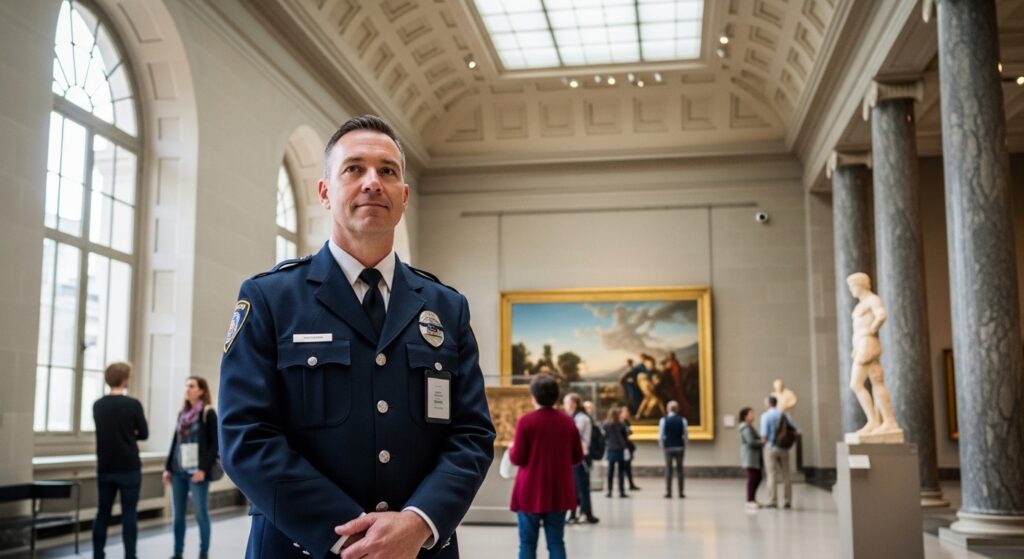
Museums are places where history, art, science, and culture come together to educate and inspire people from all walks of life. Visitors step into these institutions expecting a safe and enriching experience while exploring priceless artifacts and fascinating exhibits. Behind the scenes, a group of dedicated professionals ensures that everything runs smoothly. One of the most important roles in this environment is Museumsaufsicht.
Museumsaufsicht is a German term that translates roughly to “museum supervision” or “museum attendant.” Although the role may appear simple at first glance, it is actually a vital position within any museum. These professionals are responsible for maintaining order, protecting valuable collections, assisting visitors, and ensuring that exhibitions remain safe and accessible.
Understanding the Role of Museumsaufsicht
Museumsaufsicht refers to staff members who supervise exhibition spaces and monitor visitor activity inside a museum. Their primary responsibility is to ensure that artworks, historical objects, and displays remain protected while visitors enjoy the museum experience.
Unlike traditional security roles, this position involves a balance of observation, communication, and public interaction. Staff members must remain attentive to their surroundings while also being approachable and helpful to guests.
Museumsaufsicht professionals often serve as the first point of contact for visitors who have questions or need assistance. Their presence helps maintain a welcoming atmosphere while safeguarding valuable cultural items.
The Importance of Museumsaufsicht in Museums
Museums contain objects that are often rare, fragile, and historically significant. Some artifacts are centuries old and cannot be replaced if damaged. Because of this, supervision is essential.
Museumsaufsicht staff play a key role in protecting these collections. By monitoring visitor behavior and ensuring that museum rules are followed, they help prevent accidental damage or theft.
Beyond security, their presence contributes to the overall visitor experience. Guests feel more comfortable exploring exhibitions when knowledgeable staff members are nearby to provide guidance or support.
Without effective supervision, museums would struggle to maintain the balance between public accessibility and artifact preservation.
Core Responsibilities of Museumsaufsicht
Although duties may vary depending on the size and type of museum, several responsibilities are common for professionals working in this position.
Monitoring Exhibition Areas
One of the main tasks of Museumsaufsicht is observing visitor activity within galleries and exhibition halls. This involves ensuring that guests respect museum guidelines such as not touching artifacts, keeping a safe distance from displays, and avoiding disruptive behavior.
Maintaining awareness of the surrounding environment allows staff to quickly identify and address potential risks.
Protecting Artifacts and Displays
Museums often house valuable paintings, sculptures, historical documents, and other delicate objects. Museumsaufsicht personnel help protect these items by preventing inappropriate handling and monitoring environmental conditions that might affect preservation.
They may also report issues such as damaged display cases, lighting problems, or maintenance concerns.
Assisting Visitors
Visitors frequently rely on Museumsaufsicht staff for information. Questions may include directions to different exhibits, details about museum policies, or help locating facilities such as restrooms or cafes.
Providing friendly assistance helps create a positive and welcoming atmosphere for guests.
Managing Visitor Flow
During busy periods, popular exhibitions can attract large crowds. Museumsaufsicht staff help manage these situations by guiding visitors and ensuring that gallery spaces do not become overcrowded.
This helps protect artifacts while allowing everyone to enjoy the exhibits comfortably.
Handling Emergency Situations
Although rare, emergencies can occur in museums. Museumsaufsicht personnel are often trained to respond quickly and calmly.
Their responsibilities may include guiding visitors during evacuations, assisting individuals who need medical help, or notifying security and emergency services when necessary.
Skills Required for Museumsaufsicht
Working as a museum supervisor requires a combination of technical and interpersonal skills. Successful professionals in this role often possess the following qualities.
Attention to Detail
Careful observation is essential when monitoring exhibitions. Staff must notice subtle behaviors or potential risks before they become serious problems.
Communication Skills
Museums welcome visitors from diverse backgrounds and cultures. Clear and polite communication helps ensure that instructions and information are understood.
Patience and Professionalism
Handling large groups of visitors can sometimes be challenging. Museumsaufsicht staff must remain calm and respectful even in difficult situations.
Interest in Culture and History
A genuine interest in art, history, or cultural heritage can make the role more enjoyable and effective. While detailed expertise may not always be required, basic knowledge about exhibits can enhance visitor interactions.
Physical Stamina
The job often requires standing or walking for extended periods. Maintaining focus throughout a shift is important for effective supervision.
Work Environment and Schedule
Museumsaufsicht professionals typically work within exhibition halls, galleries, and public spaces inside museums. The environment is usually quiet and structured, though it can become lively during school visits, special events, or popular exhibitions.
Work schedules often include weekends and holidays, as these are peak visiting times for museums.
Shifts may involve rotating between different exhibition areas to ensure comprehensive supervision throughout the building.
Training and Educational Requirements
In many cases, formal education requirements for this position are relatively flexible. A high school diploma is often sufficient for entry-level opportunities.
However, candidates with backgrounds in areas such as history, art history, museum studies, or tourism may have an advantage.
Museums usually provide on-the-job training to help staff understand security procedures, visitor management strategies, and the layout of the museum.
Additional training in first aid, emergency response, and safety protocols may also be required.
Career Opportunities in the Museum Sector
Although Museumsaufsicht positions are often considered entry-level roles, they can serve as valuable starting points for careers within the cultural sector.
With experience and further education, professionals may advance into roles such as:
Senior museum attendant
Visitor services coordinator
Museum security supervisor
Exhibition assistant
Museum educator
Working closely with curators, conservators, and administrators provides insight into how museums operate, making this role an excellent foundation for long-term career development.
Benefits of Working as Museumsaufsicht
For individuals who appreciate art, history, and cultural heritage, working in museum supervision offers several benefits.
One of the most rewarding aspects is the opportunity to spend time in inspiring environments surrounded by historical artifacts and creative works.
The role also allows staff to interact with people from around the world, creating a dynamic and multicultural work atmosphere.
Additionally, the position contributes to the preservation of cultural heritage, giving employees a sense of purpose and responsibility.
Challenges of the Role
Despite its many benefits, the job also presents certain challenges.
Standing for long periods can be physically demanding. Maintaining concentration throughout quiet shifts requires patience and discipline.
Staff members may occasionally encounter visitors who do not follow museum rules or who behave disrespectfully. Handling these situations professionally is an important part of the job.
However, many professionals find that the rewarding aspects of working in a cultural environment outweigh these challenges.
The Future of Museumsaufsicht
As museums continue to evolve with new technologies and interactive exhibits, the role of Museumsaufsicht is also adapting.
Modern museums increasingly integrate digital displays, multimedia experiences, and immersive installations. While technology enhances exhibitions, it also creates new supervision responsibilities.
Human presence remains essential for guiding visitors, protecting collections, and providing assistance. Museumsaufsicht staff will likely continue playing a vital role in ensuring that cultural institutions remain safe, welcoming, and educational.
Conclusion
Museums are more than buildings filled with artifacts—they are spaces where history, art, and knowledge come alive for visitors. Behind the scenes, professionals working in Museumsaufsicht ensure that these environments remain safe, organized, and enjoyable.
Through careful observation, visitor assistance, and dedication to protecting valuable collections, these staff members help preserve cultural heritage for future generations.
Although their work often goes unnoticed by visitors, the impact of Museumsaufsicht is significant. Their presence allows museums to maintain the delicate balance between accessibility and preservation, ensuring that priceless artifacts and meaningful stories continue to inspire people around the world.