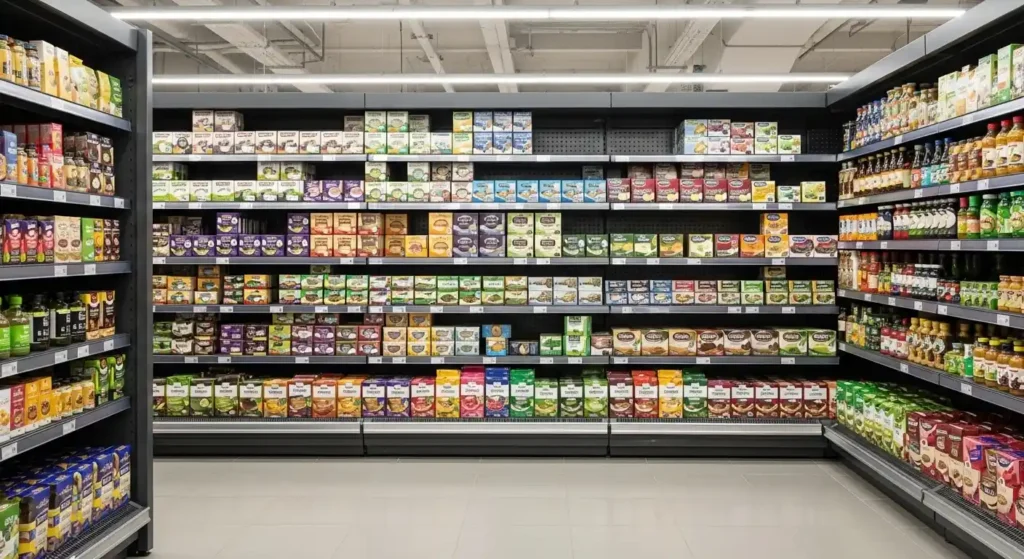
Walk through any supermarket aisle today and you’ll notice a quiet but powerful shift happening. Brightly colored foods are still everywhere—but the conversation around how those colors are made has completely changed.
Consumers are reading labels more carefully than ever. Synthetic additives are being questioned. And brands are under increasing pressure to move toward cleaner, plant-based alternatives. This is where natural food colors manufacturers—and especially natural green food coloring—are stepping into the spotlight.
Why the Shift Away from Synthetic Colors?
For decades, synthetic food colors were the default choice. They were cheap, stable, and easy to use. But they also came with growing concerns.
Many consumers now associate artificial colors with:
- Potential health risks
- Hyperactivity concerns in children
- Lack of transparency in labeling
Whether all these concerns are scientifically conclusive or not, perception plays a huge role in purchasing decisions. Today’s buyer wants recognizable ingredients—things they can relate to, like spinach, spirulina, or matcha.
This shift has pushed food brands to rethink formulations—and that’s where natural food colors manufacturers come in.
What Do Natural Food Colors Manufacturers Actually Do?
Replacing synthetic colors isn’t as simple as swapping one ingredient for another. Natural colors behave very differently.
Manufacturers in this space work at the intersection of science and nature, focusing on:
- Extracting pigments from plants, fruits, and algae
- Improving stability against heat, light, and pH
- Ensuring consistency across batches
- Making colors suitable for different applications (beverages, bakery, dairy, etc.)
The challenge is not just producing color—it’s producing reliable color that performs well in real food systems.
This is why experienced manufacturers play a crucial role. They don’t just supply ingredients; they help brands solve formulation problems.
Jernsenger: Exploring the Meaning, Uses, and Cultural Significance
The Unique Challenge of Natural Green Food Coloring
Among all natural shades, green is one of the most difficult to achieve.
Why?
Because green is highly sensitive. It tends to:
- Turn brown under heat
- Fade when exposed to light
- React with acidic environments (like beverages)
Yet, green is one of the most in-demand colors. It’s strongly associated with:
- Health and freshness
- Plant-based products
- Clean eating and sustainability
From mint beverages to plant-based snacks, green plays a key role in visual appeal.
Sources of Natural Green Food Coloring
To create green shades naturally, manufacturers rely on a few key sources:
- Chlorophyll
Extracted from leafy greens like spinach or alfalfa, chlorophyll is the most direct source of green color.
Challenge: It’s not very stable, especially in acidic conditions.
- Spirulina
A blue-green algae that has gained popularity for its vibrant tone.
Advantage: Better stability compared to chlorophyll in certain applications.
- Matcha & Green Tea Extracts
Used more in premium or niche products, especially where flavor alignment is important.
- Blended Systems
Sometimes, manufacturers combine yellow and blue natural pigments to create more stable green shades.
This blending approach is often the most practical for large-scale food production.
Where Natural Green Colors Are Used
Natural green food coloring is now widely used across categories:
- Beverages: Juices, health drinks, smoothies
- Bakery: Frostings, fillings, decorative elements
- Confectionery: Gummies, candies, jellies
- Dairy: Ice creams, flavored yogurts
- Savory foods: Sauces, seasonings, snacks
Each application comes with its own technical challenges—temperature, shelf life, and pH all influence how the color behaves.
What Brands Look for in a Manufacturer
Choosing the right natural food colors manufacturer isn’t just about price. It’s about reliability and technical expertise.
Brands typically look for:
- Strong R&D capabilities
- Customization options for specific applications
- Regulatory compliance across markets
- Consistent quality and supply stability
Because at the end of the day, color failure can mean product rejection—something no brand can afford.
The Road Ahead
Natural colors are no longer a niche trend—they are becoming the standard.
But the journey isn’t without challenges. Stability, cost, and scalability are still ongoing concerns. This is why innovation from manufacturers is so critical.
As extraction technologies improve and demand continues to grow, we can expect:
- More stable natural green solutions
- Wider shade ranges
- Better performance in complex food systems
Final Thoughts
The move toward natural food coloring reflects a deeper shift in the food industry—one that prioritizes transparency, trust, and better choices.
Natural green food coloring, despite its challenges, is a powerful example of how science and nature can work together to meet modern expectations.
And behind every successful product using natural colors, there’s usually a manufacturer quietly solving problems, refining processes, and making clean-label goals achievable.