
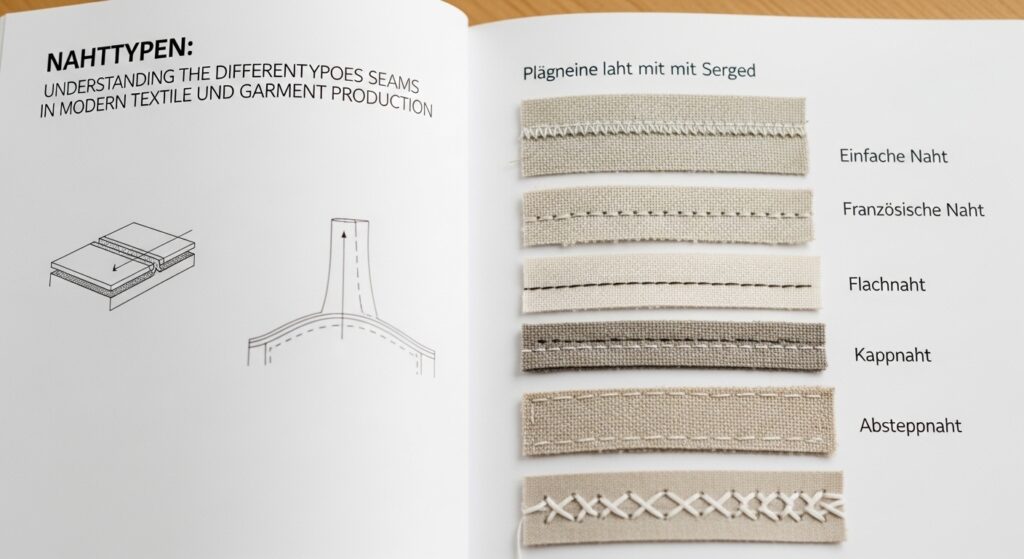
In the world of textiles and garment manufacturing, details matter. From fabric selection to stitching precision, every component plays a role in the durability, comfort, and aesthetic appeal of a finished product. One essential concept in sewing and apparel construction is nahttypen, a German term that translates to “types of seams.” Understanding nahttypen is fundamental for designers, tailors, fashion students, and textile engineers alike.
Seams are more than just lines that hold fabric together. They influence how a garment fits, stretches, breathes, and withstands daily wear. By exploring the various nahttypen, we gain insight into the craftsmanship behind high-quality clothing and technical textiles.
What Are Nahttypen?
Nahttypen refers to the different methods used to join two or more pieces of fabric. Each seam type serves a specific purpose depending on fabric type, garment function, and desired finish.
In professional fashion and textile education institutions such as Parsons School of Design and London College of Fashion, students are trained extensively in seam construction techniques. Mastery of nahttypen ensures garments are not only stylish but also structurally sound.
Why Seam Types Matter
The choice of seam affects several factors:
Durability and strength
Comfort against the skin
Flexibility and stretch
Water resistance
Aesthetic appeal
Ease of mass production
For example, sportswear requires flexible seams that move with the body, while heavy denim jeans demand reinforced seams that withstand stress.
Understanding nahttypen allows manufacturers to match seam construction with garment purpose.
Common Nahttypen in Garment Construction
Plain Seam (Einfache Naht)
The plain seam is the most basic and widely used seam type. It involves placing two pieces of fabric together, stitching them, and then finishing the raw edges.
This seam is commonly found in everyday clothing such as shirts, dresses, and trousers. It is simple, efficient, and suitable for lightweight fabrics.
French Seam (Französische Naht)
The French seam encloses raw fabric edges within the seam itself. It is often used for delicate fabrics such as chiffon or silk.
Luxury fashion brands frequently incorporate this seam type to ensure a clean interior finish. Designers at houses like Chanel prioritize such refined construction techniques to maintain high standards of craftsmanship.
Flat-Felled Seam (Kappnaht)
The flat-felled seam is known for its strength and durability. It encloses raw edges and creates a double-stitched appearance.
This seam is commonly seen in denim jeans and workwear. Brands like Levi Strauss & Co. have historically used flat-felled seams to enhance the durability of their products.
Overlocked Seam (Overlocknaht)
An overlocked seam is created using a serger machine that trims and finishes raw edges simultaneously. This seam prevents fraying and is widely used in knit garments and casual wear.
Modern garment factories rely heavily on industrial overlock machines to increase efficiency and maintain consistent seam quality.
Lapped Seam (Überlappungsnaht)
The lapped seam overlaps two pieces of fabric and stitches them together without placing right sides together first. It is often used in leather garments and technical outerwear.
This seam type enhances water resistance and structural integrity in heavy-duty clothing.
Bound Seam (Eingefasste Naht)
A bound seam encloses the raw edges with binding fabric. It provides a decorative finish and extra durability.
This seam is common in unlined jackets and high-end garments where interior presentation is important.
Nahttypen in Technical Textiles
Seam construction is equally critical in technical and performance textiles. Outdoor gear manufacturers must consider waterproofing and durability when selecting seam types.
Companies like Gore-Tex emphasize seam sealing techniques to prevent water penetration. In such applications, special tapes are applied over seams to maintain waterproof integrity.
In sportswear, flatlock seams are often used to reduce friction and prevent chafing during movement.
Industrial vs. Handcrafted Seam Construction
Mass production and a handcrafted tailoring approach nahttypen differently. Industrial manufacturing prioritizes speed and uniformity. Automated machines produce consistent seam finishes at scale.
In contrast, bespoke tailoring values precision and detail. Luxury brands such as Savile Row are known for meticulous seam construction techniques that enhance garment longevity and fit.
Both approaches rely on a deep understanding of seam types, but the execution may vary depending on the production context.
Seam Finishes and Fabric Compatibility
Different fabrics require specific seam types to ensure optimal results. For example:
Lightweight fabrics benefit from French seams to avoid visible fraying.
Stretch fabrics require flexible seams like zigzag or overlocked seams.
Heavy materials such as denim or canvas require reinforced seams like flat-felled seams.
Improper seam selection can lead to garment failure, discomfort, or reduced lifespan.
Textile engineers must consider fiber composition, fabric weight, and garment purpose before choosing appropriate nahttypen.
Sustainability and Seam Innovation
Sustainability has become a key focus in modern fashion. Seam construction contributes to garment longevity, which reduces textile waste.
Durable seam types extend product life cycles and minimize the need for frequent replacements. Organizations like Ellen MacArthur Foundation promote sustainable fashion practices that include durable design and repair-friendly construction.
Innovative seam technologies are also emerging, including ultrasonic welding, which bonds synthetic fabrics without traditional stitching. This reduces thread usage and enhances water resistance in performance garments.
The Role of Nahttypen in Fashion Design
Seams are not merely structural elements; they also serve as design features. Visible topstitching, decorative seams, and contrast bindings can define a garment’s style.
Avant-garde designers sometimes intentionally expose seams to create artistic effects. In haute couture, seam placement can sculpt and contour garments to achieve dramatic silhouettes.
Fashion education programs emphasize that mastering nahttypen is essential to creative freedom. Designers who understand structural techniques can experiment confidently without compromising quality.
The Future of Seam Technology
As the fashion and textile industries continue to innovate, seam construction will evolve alongside material science. Smart textiles integrated with sensors may require new seam solutions that protect embedded electronics.
3D knitting and seamless garment technologies are also gaining popularity. These methods reduce the need for traditional seams altogether, offering improved comfort and sustainability.
However, even as technology advances, foundational knowledge of nahttypen remains indispensable.
Conclusion
Nahttypen, or seam types, form the backbone of textile and garment construction. From simple plain seams to complex waterproof bonded seams, each type serves a specific purpose in ensuring functionality, comfort, and aesthetic quality.
Whether in high-fashion ateliers, industrial factories, or technical sportswear production, understanding seam construction is crucial. Institutions and brands across the globe continue to refine and innovate seam techniques to meet modern demands.
As fashion and textile technology progress, the importance of mastering nahttypen will endure. Seam construction may seem like a small detail, but it is one of the most vital elements that transform fabric into durable, wearable art.